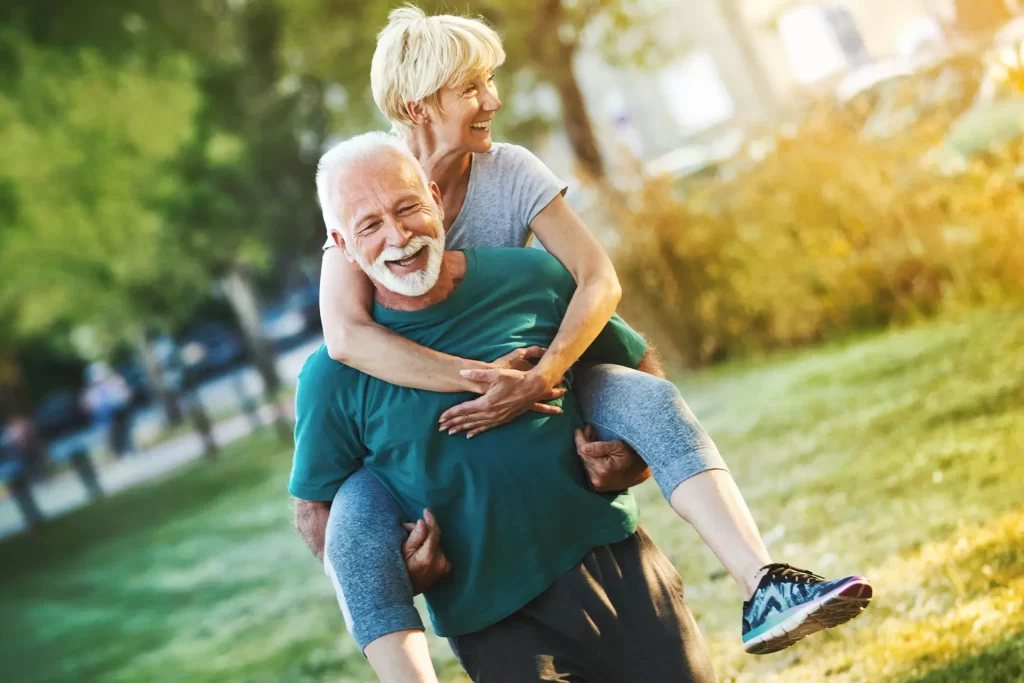
By specifically supporting memory and concentration and by staying mentally active, you can counteract the first signs of memory loss, and Tebokan® can help.
A slight decline in memory, reaction speed and the ability to concentrate are common in older people, but you do not have to accept these situations as something you are powerless to change. In general, the earlier you counteract memory loss and actively do something for your memory, the longer your mental capacity can be maintained.
Ginkgo biloba product for memory and concentration

120 mg ginkgo special extract EGb 761®

Well-tolerated, even with long-term use, lactose-free

As prescribed by the physician

Effective after 2 - 4 weeks, recommended use is 8 weeks
Tebokan® is the smallest film-coated tablet on the market with 120 mg of ginkgo extract, making it easier to swallow while still being fully effective. In addition, the tablet is lactose free.
Call us now for free. We will be happy to help.
Tel.: +91-120-4016500
In addition to treating a decline in cognitive performance with Tebokan®, you can also help fight off forgetfulness by integrating the following measures into your everyday life.
Many activities that keep us physically fit into old age are also good for our mental performance. To preserve your physical and mental wellbeing, you should start taking steps in good time. Leading an active and deliberate lifestyle can have a preventive effect and promote treatment.
What’s true for our muscles is also true for our grey matter: we can also improve our mental abilities through targeted training. Strategic efforts can make a difference in various aspects. For example, there are special exercises that can help you improve your memory. Other exercises train mental flexibility or the ability to concentrate. As is the case with physical workouts, mental training has the greatest impact when done regularly.
Social activities such as volunteering are not only good for the organization you work with, your community as a whole, and future generations: they do you good too. Socially committed people with a wide circle of acquaintances suffer less frequently from impairments in cognitive performance than people who are less involved and maintain fewer social contacts. Commitment to a goal which goes beyond immediate self-interest has a positive impact on your health.
Even more than other organs, our brain needs an excellent supply of oxygen to do its best work. The blood transports oxygen to every part of our body, and the better our circulation system functions, the better our brain has access to oxygen, which is indispensible. In addition, physical activity stimulates the production of the body’s own substances that further protect the brain. People who exercise regularly keep their circulatory system healthy and thus not only promote their physical well-being: they also help their cognitive function.
The brain at rest uses 20 percent of the energy we consume. However, nutritious food is not only a source of energy. Certain substances from fruit and vegetables known as antioxidants protect the cells and counteract pathological changes in the brain. Fatty fish such as salmon, mackerel and herring contain omega-3 fatty acids, which are also part of the cell walls in the brain. B vitamins, which are found mainly in foods of animal origin, contribute to the normal functioning of the nervous system and mental performance. And staying hydrated is just as important as eating. If we lack fluids, it is harder for us to concentrate.
Getting enough rest on a regular basis helps our brain perform at its best. Fatigue can lead to declining concentration and forgetfulness. The most important rest phase is sleep. It can only develop its full regenerative power if your sleep is regular, undisturbed and long enough.