Alzheimer’s disease impacts millions of individuals and families globally. It leads to cognitive decline, memory loss, and behavioural changes, significantly affecting patients’ and caregivers’ quality of life. Managing Alzheimer’s disease is an ongoing journey that requires a multifaceted approach, including medications, lifestyle adjustments, and non-pharmacological interventions. This blog explores the complexities of Alzheimer’s disease treatment, the available options, and how products like Tebokan® Forte can complement these efforts by aiding memory and concentration.
Understanding Alzheimer’s Disease
Alzheimer’s disease is the most common form of dementia, characterised by the accumulation of beta-amyloid plaques and tau tangles in the brain. These changes disrupt normal brain function, leading to symptoms like:
1. Memory Loss: Difficulty remembering events or information.
Memory loss, one of the first and most noticeable signs of Alzheimer’s disease, often manifests as difficulty recalling recent events or newly learned information. Individuals may repeatedly ask the same questions, misplace objects, or forget important appointments. Over time, these lapses can disrupt daily life, creating challenges in maintaining independence and performing routine tasks.
2. Cognitive Decline: Challenges in planning, problem-solving, or completing familiar tasks.
Cognitive decline affects the ability to think, solve problems, and make sound decisions. Tasks that were once straightforward, such as cooking, managing finances, or following a familiar route, may become increasingly difficult. This decline is frustrating for those affected and can also impact their safety and ability to live independently.
3. Behavioral Changes: Mood swings, confusion, and difficulty communicating.
Behavioral changes are common in Alzheimer’s patients, ranging from irritability and mood swings to increased confusion and difficulty expressing thoughts. Patients may struggle to find the right words during conversations, withdraw socially, or exhibit uncharacteristic behaviours. Such changes often stem from frustration and anxiety caused by the disease’s impact on cognitive and emotional processes.
Causes and Risk Factors
While the exact cause of Alzheimer’s remains unclear, several factors increase the risk:
- Age: Risk increases significantly after age 65.
- Genetics: Family history and specific genetic markers, such as APOE-ε4, play a role.
- Lifestyle and Health: Poor diet, lack of physical activity, and chronic conditions such as diabetes and hypertension contribute to risk.
Diagnosis
Early diagnosis is crucial for effective Alzheimer’s disease management. Physicians typically use a combination of:
- Cognitive Tests: To assess memory and thinking.
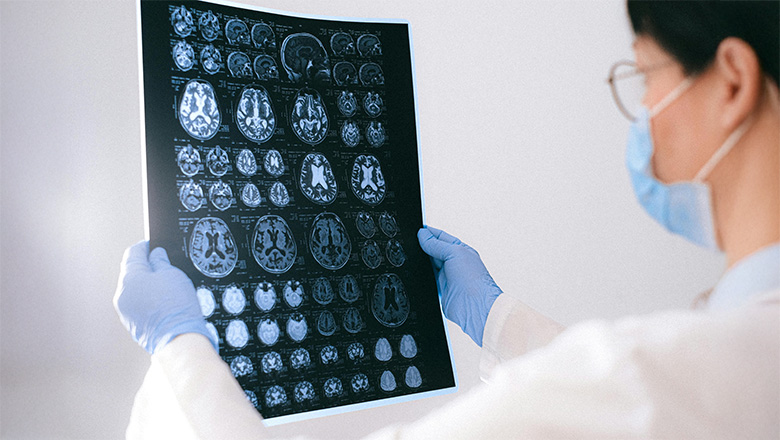
- Imaging Techniques: MRI or PET scans to detect brain changes.
- Blood Tests: To rule out other conditions that mimic Alzheimer’s symptoms.
Current Treatments for Alzheimer’s Disease
Alzheimer’s disease treatment focuses on slowing disease progression, managing symptoms, and improving quality of life. Although there is no cure, several interventions help patients and caregivers navigate the challenges of this condition.
Alzheimer’s Medications
Medications approved for Alzheimer’s disease can temporarily improve or stabilise symptoms in some individuals. These include:
- Cholinesterase Inhibitors: Including donepezil, rivastigmine, and galantamine, which improve communication between nerve cells.
- Memantine: Regulates glutamate activity to reduce symptoms in moderate to severe cases.
- Combination Therapies: Using cholinesterase inhibitors with memantine for enhanced effects.
Alzheimer’s Disease Medications and Side Effects
While effective, these medications may have side effects like nausea, dizziness, and sleep disturbances. Patients must work with the healthcare providers to tailor treatment plans to their needs.
Emerging Therapies
Research into Alzheimer’s disease progression and treatments continues to grow. Some promising areas include:
- Biologics: Targeting beta-amyloid and tau proteins.
- Gene Therapy: Addressing genetic predispositions.
- Innovative Drug Delivery Systems: For more effective treatment delivery.
Non-Pharmacological Treatments
Complementary approaches play a significant role in managing Alzheimer’s disease. These interventions focus on improving cognitive function, emotional well-being, and overall quality of life.
Cognitive Therapies for Alzheimer’s
Cognitive therapies are tailored activities to enhance memory, language skills, and problem-solving abilities. Examples include:
- Cognitive Stimulation Therapy (CST): Group-based exercises that engage memory and thinking.
- Reminiscence Therapy: Using personal history and familiar objects to stimulate memory.
- Brain Training Games: Activities designed to improve cognitive function.
Alzheimer’s Disease Non-Pharmacological Treatments
Non-drug approaches are crucial for addressing behavioural symptoms and improving daily functioning. These include:
- Physical Activity: Regular exercise supports brain health and reduces symptoms.
- Music and Art Therapy: Encourages engagement and emotional expression.
- Dietary Modifications: Incorporating brain health supplements like Ginkgo biloba extract EGb 761® can complement other interventions.
Alzheimer’s Lifestyle Changes
Lifestyle adjustments can significantly impact disease progression:
- Nutrition: A Mediterranean diet rich in fruits, vegetables, and omega-3 fatty acids.
- Sleep Hygiene: Ensuring quality rest to support cognitive health.
- Social Engagement: Maintaining connections to reduce isolation and depression.
The Role of Tebokan® in Alzheimer’s Treatment
Tebokan® Forte, containing Ginkgo biloba extract EGb 761®, has gained recognition for supporting cognitive function and aiding memory retention. While it does not claim to cure or prevent Alzheimer’s, its properties make it a valuable addition to a comprehensive treatment plan.
Tebokan® Memory and Concentration Support
Tebokan®Forte is formulated to support:
- Memory Improvement: By enhancing blood flow to the brain, Tebokan®Forte aids cognitive function and memory.
- Concentration: Helping individuals maintain focus during daily tasks.
- Cognitive Decline Treatment: Complementing therapies to manage symptoms.
Ginkgo Biloba Extract Benefits
The active component in Tebokan®Forte, Ginkgo biloba extract EGb 761®, has been widely studied for its potential benefits:
- Antioxidant Properties: Saving brain cells from oxidative stress.
- Neuroprotection: Supporting the maintenance of neural health.
- Improved Circulation: Boosting oxygen and nutrient delivery to brain tissues.
Integrating Tebok with a holistic approach, Tebokan® can complement:
- Mild Dementia Treatment: Assisting in early-stage interventions.
- Natural Memory Aids: Supporting lifestyle changes and cognitive therapies.
- Neurological Disorder Treatments: Helping manage symptoms alongside prescribed medications.
Alzheimer’s Care and Support Systems
Caregiving is a cornerstone of Alzheimer’s management. Providing comprehensive support ensures the well-being of both patients and caregivers.
Alzheimer’s Care Strategies
Effective care plans include:
- Personalised Routines: Tailored schedules to minimise confusion.
- Safe Environments: Adapting living spaces to prevent accidents.
- Emotional Support: Counseling and support groups for caregivers.
Alzheimer’s Caregiver Support
Caregivers face unique challenges, including physical and emotional stress. Resources and strategies to support them include:
- Respite Care Services: Offering temporary relief.
- Education Programs: Equipping caregivers with knowledge and skills.
- Community Resources: Connecting with local Alzheimer’s associations.
Enhancing Alzheimer’s Care with Tebokan® Forte’
Alzheimer’s disease treatment requires a multifaceted approach, combining medications, lifestyle changes, and cognitive therapies. While no intervention can halt this condition’s progression, products like Tebokan® Forte can complement these efforts, supporting memory and cognitive function. By integrating Tebokan® into a comprehensive care plan, individuals can take steps to enhance their quality of life.
To learn more about Tebokan® Forte and how it can fit into your Alzheimer’s management strategy, contact Tebokan.com. Take the first step towards a well-rounded approach to brain health today.