

The active ingredient in Tebokan® – the special extract EGb 761® – is taken from the leaves of the ginkgo biloba tree. This extraction process is highly complex.
Tebokan® promotes cognitive performance. Declining memory and concentration problems in old age can be reduced.

There are many different ginkgo products. But not all of them contain a high-quality ginkgo biloba leaf extract. Among other things, low-quality capsules with crushed ginkgo leaves are also available. However, these unprocessed ginkgo leaves may contain undesirable components, such as ginkgolic acids, which can cause allergic reactions. Therefore, ginkgo tea is not recommended. Furthermore, making tea from ginkgo leaves means that the active substances are not fully released from the leaves.
In other ginkgo products, which are not subject to the strict rules and controls of medicinal products, adulterations can be found time and time again – i.e. these products often contain ingredients from other plants instead of the valuable ingredients from ginkgo biloba. (Cite sources). The concentrations of undesirable substances may also be higher in these products. It goes without saying that the same effect and tolerability cannot be assumed that you can count on with Tebokan®. Therefore, always make sure you select a high-quality ginkgo product from the pharmacy. Pharmacy-grade ginkgo products are approved and tested medicines in which the undesirable substances have been removed as much as possible, and the desired ingredients have been strongly enriched.
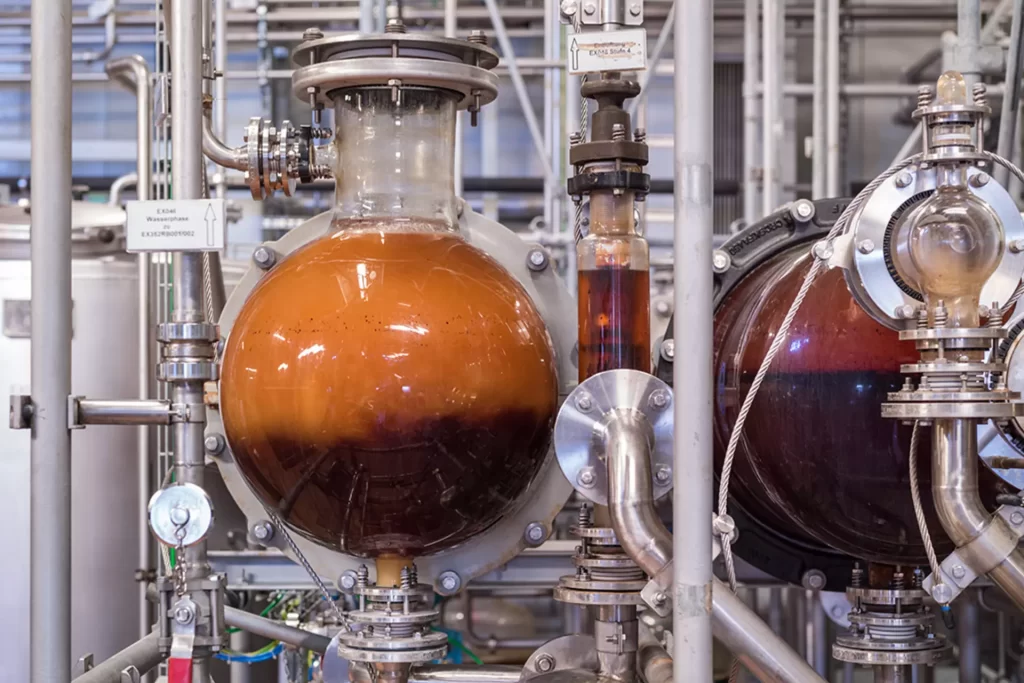
Even though all ginkgo medicinal products from the pharmacy must comply with legal requirements, the spectrum of ingredients and the quality of the available ginkgo biloba extracts vary greatly. The scientific data on efficacy and tolerability is extremely comprehensive1 for the special ginkgo extract EGb 761® in Tebokan®. Even small changes in the manufacturing process can produce a pharmacologically different effect of the product, even when the same starting material is used.
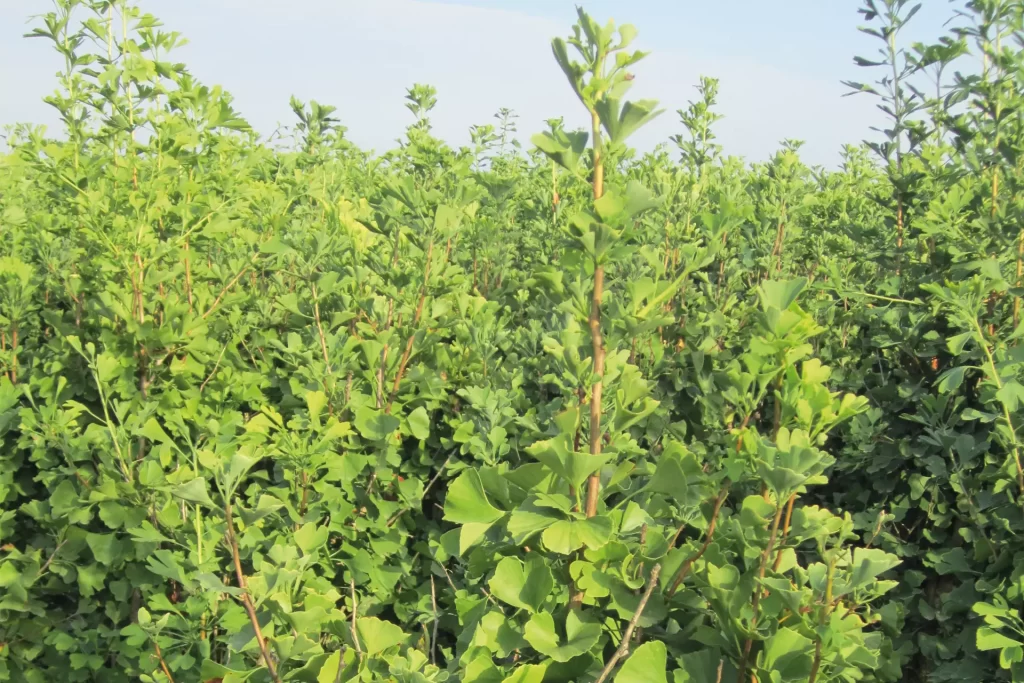
A decisive step in using ginkgo biloba leaves in modern medicine was taken by the Dr. Willmar Schwabe company. This is where the substances and effects of ginkgo biloba leaves were first systematically recorded and researched. Numerous studies document the efficacy of the special ginkgo extract EGb 761® by Dr. Willmar Schwabe1. Today, all of the steps of the manufacturing process — from cultivating the tree and the extraction procedure to the high-tech production and packaging of the finished tablets — are in Schwabe’s hands. Continuous quality and process controls ensure the high quality of the finished ginkgo product.
This is why the special extract EGb 761® in Tebokan® is unsurpassed1 to this day: the low variability of its substances and its efficacy and tolerability have been documented2 in clinical trials. Almost 2,000 scientific studies have been published to date about the effects, mechanism of action and tolerability of the ginkgo extract EGb 761®, among other things. This makes EGb 761® the best-studied ginkgo extract in the world.1
1Basta et al., The Medical World 2017; 68: 46-52. Gauthier & Schlaefke. Clinical Interventions in Aging 2014; 9: 2065-77. by Boetticher NeuropsychiatrDisTreat 2011; 7: 441-7.
2PubMed-Database: https://pubmed.ncbi.nlm.nih.gov/?term=egb+761, 1.991 Search results for EGb 761®, retrieved on 3.6.2022
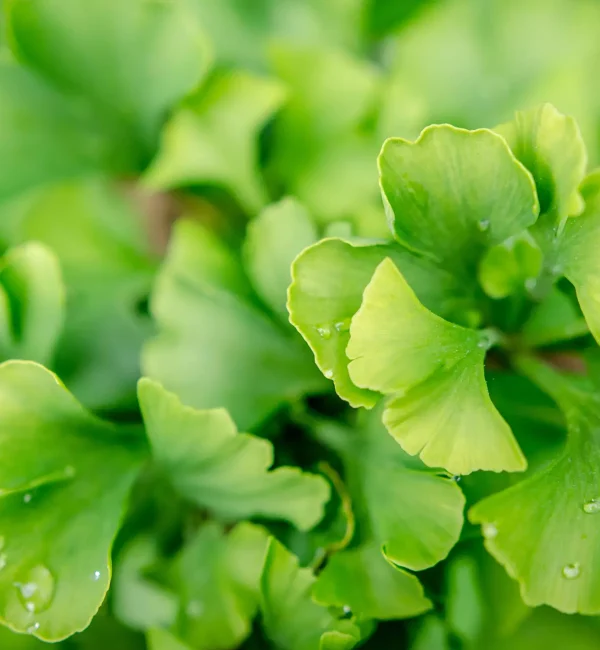
Originally, members of the ginkgoales order were found all throughout the entire northern hemisphere. However, the ginkgo tree survived the ice ages only in East Asia. Today, ginkgo biloba is only found in valleys of the Tien-Mu-Shan mountains in the Chinese Zhejiang province. Any ginkgo trees found outside this region were planted by humans. The ginkgo tree is grown worldwide as an ornamental tree that often is found in parks and along avenues. Dr. Willmar Schwabe grows the ginkgo trees for Tebokan® in large plantations in France and the U.S. In general, the ginkgo prefers sunny locations and sandy, acidic loam soils. However, it is considered very adaptable, so that it can also be planted in less favourable soils. Ginkgo trees also usually tolerate heat, frost, pest infestation and other adverse influences well.